The Afterworld Ideas Tree
Research that starts on the map: rivers, ruins, neighbors, and dangerous remnants.
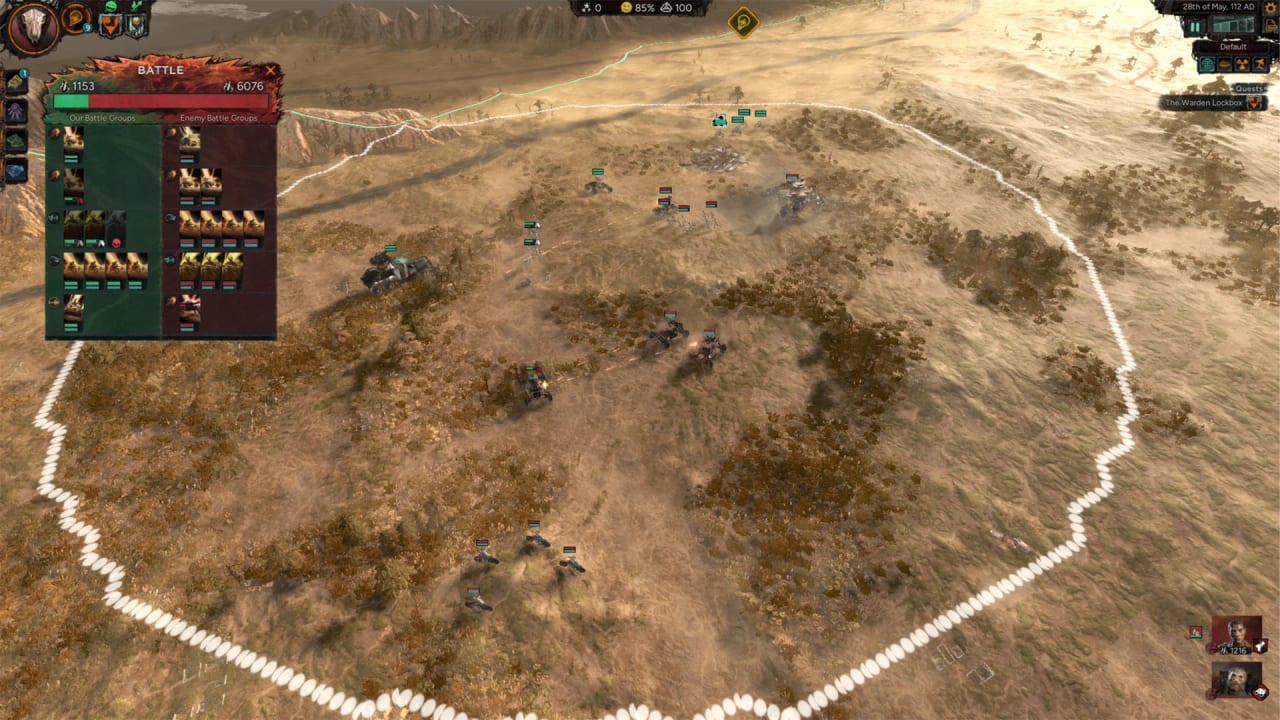
The Ideas Tree is Afterworld’s answer to a historical tech file, and it is one of the few systems Paradox has explained with examples. You do not wait for a calendar year to invent irrigation. You encounter a river, and irrigation can appear as an idea your society is now allowed to pursue. You meet a new tribe, and organized religion can appear. Your actions shape what your people can become. This page is the pre-release field guide to that promise. The game itself is still upcoming on Steam with no date.
If you have not read how to play, do that first so the Tree sits in the full loop. Settlements explains why a river is a logistics object as well as a research object. Origins explains why two tribes will not see the same ideas in the same order.
Dynamic unlocks, not a wiki tech table
Historical PDS games can publish a tech table because the years are known. Afterworld cannot. The map is semi-procedural. Resources, tribes, and threats reshuffle. The Ideas Tree is therefore a discovery log: the game watches what you bump into, then opens advances that match. That is exciting for replay and hostile to dataminers. Any website showing a complete Afterworld tech list before a playable build is inventing it. This wiki will not.
What we do have are categories of trigger:
- Terrain. Rivers suggest irrigation. Other biomes will have their own obvious lessons once diaries name them.
- People. Meeting a tribe can teach social technologies — religion is the official example.
- Remnants. Pre-Fall technology can “rewrite the rules of what your nation is capable of.” Official warning: the same power that ended the old world could end the new one.
- Crises. Laws and famines will almost certainly feed ideas even if that loop is not fully spelled out yet. Watch updates for the diary that confirms it.
How to play the Tree before you can click it
Scout with intent. If you want irrigation, find water instead of another ruin. If you want faith systems, make contact instead of isolating. If you want a nuclear shortcut, hunt remnants and accept the moral and diplomatic cost. That last path collides with Ancient Tyrants, because the people who still understand those machines may already be immortal.
Your origin is a filter. Shelterfolk may remember bunker machinery and forget agriculture. Zealots may remember liturgy and forget metallurgy. The origins tier list treats those filters as the real pre-release balance question: not “who has +10% combat,” but “who sees which ideas first.”
Ideas, laws, and characters
An idea that is unlocked is not an idea that is adopted. Afterworld’s law layer decides who is allowed to use a discovery. A tribe can learn irrigation and still starve because the wrong clan controls the ditches. A tribe can learn organized religion and then schism. Named characters will carry specialties; sending the wrong officer to a ruin is how you unlock a terrible idea at the wrong time.
This is why the Tree belongs in a guide, not only in a tooltip dump. You are routing a society, not checking boxes. The playstyle list splits “explorer-researcher,” “isolationist survivor,” and “remnant gambler” for that reason.
Multiplayer implications
Online co-op and competitive multiplayer are confirmed. In co-op, you can split scouting so one player hunts rivers while another hunts people. In competitive play, you can deny a rival the encounter that would have given them a key idea — or leak a remnant they are not ready to survive. Read multiplayer before you assume research is a private single-player garden.
What we are waiting for
We do not have idea names beyond the irrigation and religion examples, we do not have costs, and we do not have a screenshot Paradox has labeled “the Ideas Tree UI” in a diary. When that diary lands, this page gets a labeled screenshot from the official set and a table of confirmed ideas. Until then, use the preview for the footage context and Dev Diary 1 for the design pillars that made the Tree necessary: adapt to survive, and let the map author the science.
Beginners who feel overwhelmed should return to getting started and treat the Tree as “explore on purpose.” That is enough to play the first months when the game exists.
Frequently Asked Questions
Quick answers about Afterworld before launch.
Is the Ideas Tree a traditional Paradox tech tree?
No. It unlocks from what you encounter. There is no public full list, and this wiki will not invent one.
Can two campaigns unlock different ideas?
That is the point of a procedural map plus discovery-based advances. Your origin and your scouting route both matter.
Are pre-Fall techs safe to take?
Official copy says they can rewrite your nation and also repeat the old world’s suicide. See Ancient Tyrants.
Where should I go after this page?
To settlements for the logistics that make ideas usable, or to how to play for the full loop.